19 November 2026 | The Hague, Netherlands
After decades of persecution, years of displacement and nearly a decade of waiting for international recognition, the Rohingya people have witnessed a historic moment in their pursuit of justice.
On 19 November 2026, the International Court of Justice (ICJ), the United Nations’ highest judicial body, delivered its landmark judgment in the genocide case brought by The Gambia against Myanmar. In a 9–6 decision, the Court ruled that Myanmar committed genocide against the Rohingya Muslim population in northern Rakhine State during the military’s 2017 operations.
This judgment represents a significant moment in the history of international justice and an unprecedented recognition of the suffering endured by the Rohingya community.
A Genocide Recognised by the World’s Highest Court
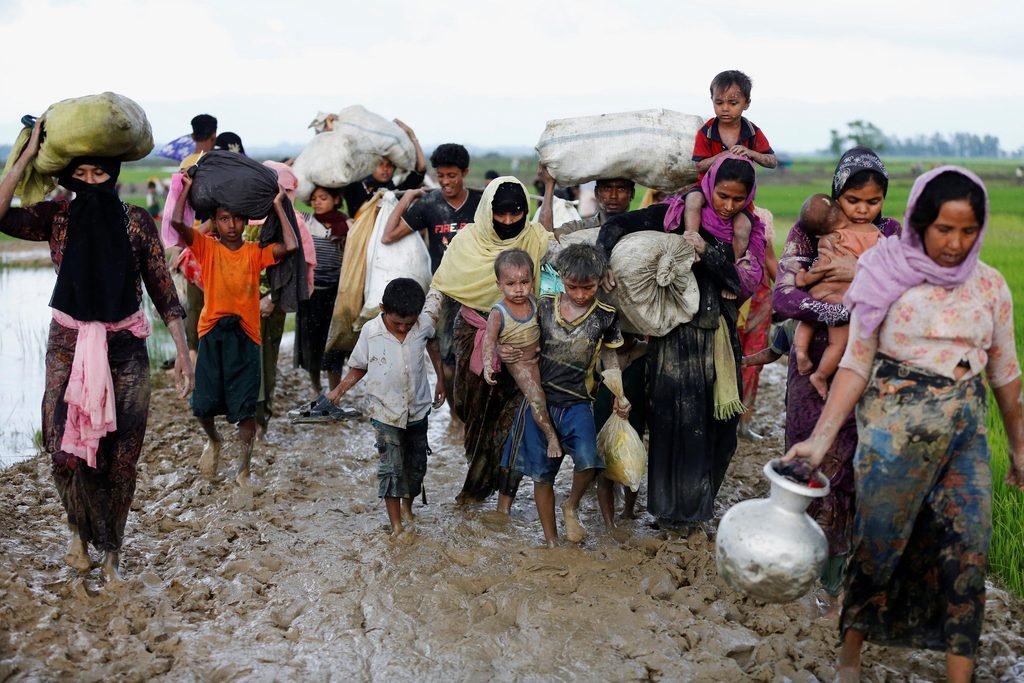
The Court found that Myanmar’s security forces committed widespread atrocities against Rohingya civilians, including mass killings, sexual violence, extreme violence against children and attacks on people attempting to flee to neighbouring Bangladesh.
The judgment recognised that the military operations were carried out with the intent to destroy the Rohingya group, in whole or in part, meeting the legal threshold for genocide under the 1948 Genocide Convention.
The evidence presented throughout the proceedings documented the scale and brutality of the 2017 military campaign, during which thousands of Rohingya were killed and more than 700,000 people were forced to flee their homes.
For survivors who lost family members, homes and entire communities, today’s decision is more than a legal judgment. It is an acknowledgement that their suffering cannot be erased or ignored.
A Seven-Year Legal Battle for Justice
The case was initiated by The Gambia in 2019, accusing Myanmar of violating the Convention on the Prevention and Punishment of the Crime of Genocide.
The proceedings involved extensive legal arguments, witness testimonies, evidence and interventions by 11 countries.
In January 2020, the ICJ had already ordered Myanmar to take provisional measures to protect the Rohingya population and prevent acts of genocide while the case was being considered.
Today’s final judgment goes further, formally establishing Myanmar’s responsibility for genocide and identifying violations of its international obligations.
What Has the Court Ordered?
The ICJ has ordered Myanmar to take several important measures, including:
- Accountability: Investigate individuals reasonably suspected of committing acts of genocide and prosecute and punish those responsible where warranted.
- Prevention: Take effective measures to prevent further violations of the Genocide Convention.
- Safe return: Facilitate the safe, voluntary and dignified return of displaced Rohingya to their places of residence.
- Family reunification: Support the reunification of families separated by displacement.
- Restitution and compensation: Provide restitution and compensation to the Rohingya community for the damage caused by the violations.
Myanmar must also submit a report to the Court within two years detailing its measures of restitution and proposed compensation.
These orders establish important legal obligations. However, their implementation will require sustained international attention and pressure.
The Rohingya Crisis Is Far From Over
While today’s judgment marks a historic achievement, the humanitarian crisis remains far from resolved.
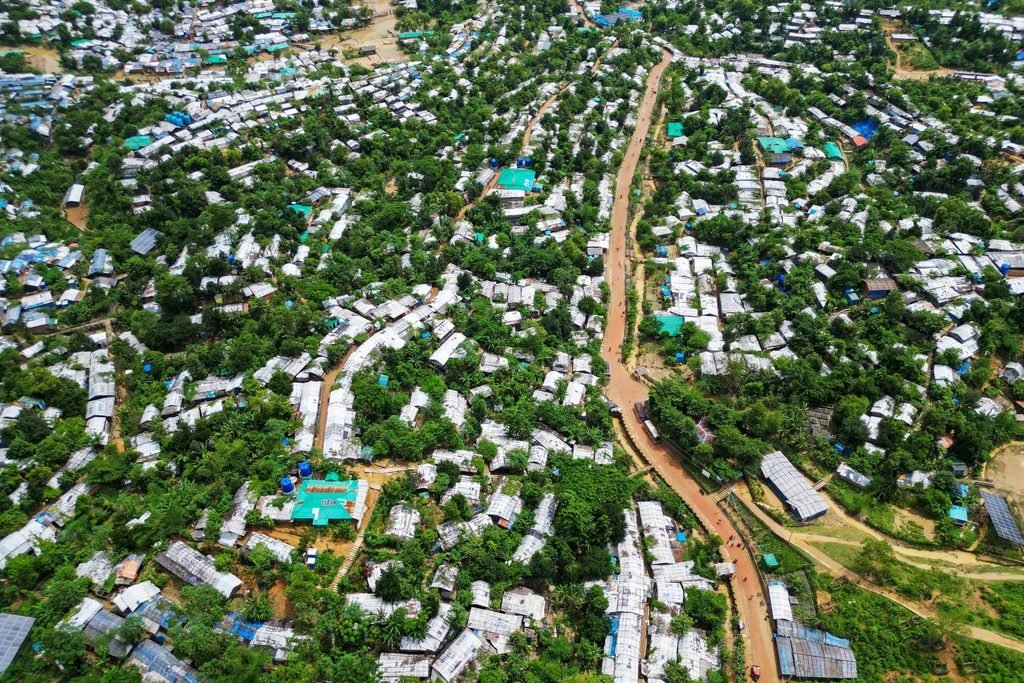
Approximately 1.2 million Rohingya refugees continue to live in Bangladesh, primarily in the overcrowded refugee camps of Cox’s Bazar. Many families have spent years living in temporary shelters, facing limited access to clean drinking water, inadequate sanitation, food insecurity, healthcare challenges and extremely difficult living conditions.
Children are growing up without the stability and opportunities they deserve. Parents continue to struggle to provide for their families, while entire generations remain uncertain about their future.
For these families, justice must mean more than recognition in an international courtroom. It must mean the restoration of dignity, security, fundamental rights and the opportunity to rebuild their lives.
A legal judgment cannot, by itself, rebuild destroyed villages, reunite every separated family or provide children with a safe future.
The Responsibility of the International Community
Today’s ruling also places an important responsibility on the international community.
Governments, humanitarian organisations, international institutions and civil society must ensure that this historic judgment translates into meaningful action.
The international community must continue to support the protection of Rohingya refugees, strengthen humanitarian assistance, advocate for their fundamental rights and ensure that any future return to Myanmar is genuinely safe, voluntary and dignified.
Humanitarian assistance must not diminish simply because the world has finally recognised the crimes committed against this community.
The Rohingya still need clean water, food, shelter, healthcare, education and protection. These are fundamental human rights, not temporary privileges.
From Recognition to Action: The Fight Must Continue
Today’s ruling is a victory for the pursuit of justice and a recognition of the courage and resilience of the Rohingya people.
But it must not become the final chapter of their story.
The international community must now work to ensure that Myanmar fulfils its legal obligations and that those responsible are held accountable. The rights of the Rohingya to safety, citizenship, dignity and a secure future must remain at the centre of international efforts.
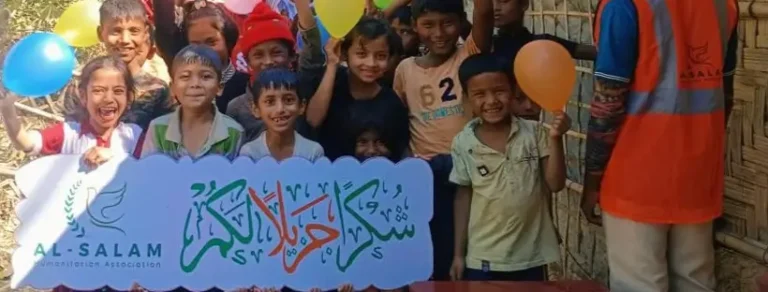
At Al-Salam Humanitarian Association, we believe that humanitarian assistance is not simply about delivering aid. It is also about standing alongside communities whose voices have gone unheard, documenting their realities and ensuring that their suffering is not forgotten.
For the Rohingya, the journey from persecution to justice has been long and painful. Today’s judgment is an important step forward, but the ultimate measure of justice will be whether these families can finally return home safely, live with dignity and rebuild the future that was taken from them.
Justice has been recognised. Now the world must act.
Al-Salam Humanitarian Association stands in solidarity with the Rohingya people and their pursuit of justice, dignity and a peaceful future.